


Connecting Talent with Opportunities: Skills4Retail at the European Parliament
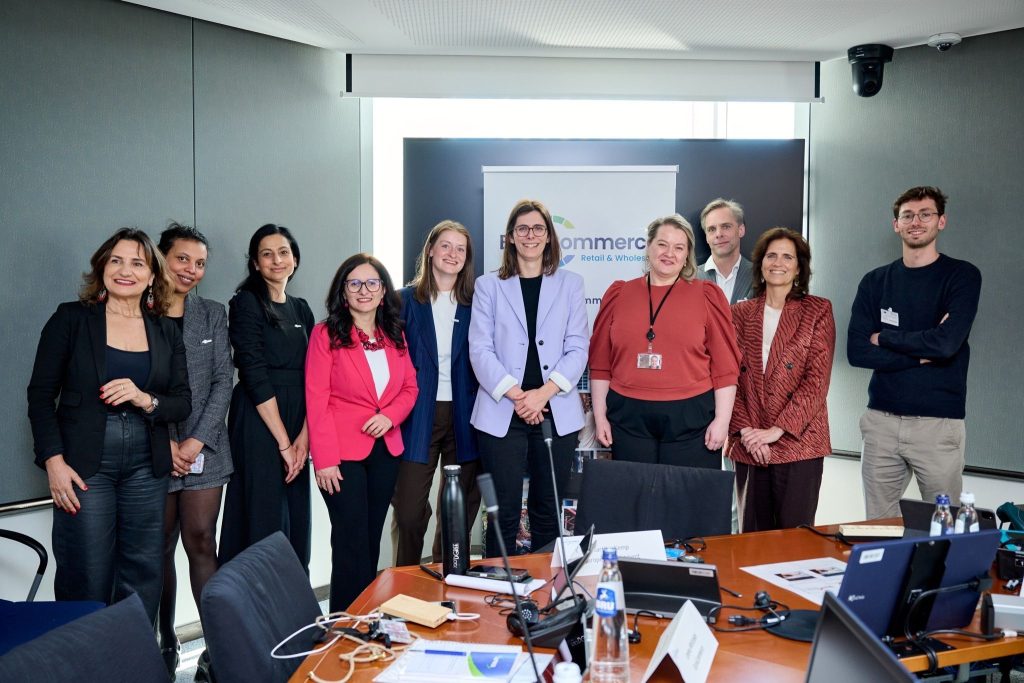
On 8 April 2026, Skills4Retail was represented at a high-level policy discussion in the European Parliament in Brussels, as part of Retail & Wholesale Week. The event, titled “Connecting Talent with Opportunities: Retail & Wholesale Initiatives Supporting Workers in Times of Change”, brought together policymakers, industry leaders, educators and social partners to explore how the sector is evolving and how workers can be supported through this transition.
Hosted by MEP Martine Kemp and organised by EuroCommerce, the session focused on one central question: how can Europe ensure that people have the right skills to thrive in a retail and wholesale sector that is being reshaped by digitalisation, sustainability and artificial intelligence?
A sector in transformation
Retail and wholesale remain among Europe’s largest employers, but the nature of work across the sector is rapidly changing. As highlighted throughout the discussion, traditional job profiles are evolving into more hybrid roles that combine customer-facing responsibilities with digital and technical competences.
From shop floors to logistics and supply chains, digital tools and AI are already transforming how work is carried out. However, the conversation made clear that the success of this transformation depends not only on technology, but on people and how well they are supported through change.
The role of Skills4Retail
Representing the Skills4Retail project, Diana Filip, Deputy CEO and Chief Development Officer at JA Europe, highlighted the importance of coordinated, forward-looking approaches to skills development
“Retail and wholesale are changing fast—digitalisation, sustainability and AI are reshaping jobs. That’s why the Skills4Retail Blueprint brings businesses, educators and social partners together to anticipate skills needs and create pathways into retail careers, so talent can move into real opportunities and businesses can grow with confidence. Join our Skills4retial alliance to benefit from all the training and employment opportunities the project is offering. ”
Her contribution reinforced the role of Skills4Retail as a bridge between education and industry, ensuring that training programmes are aligned with real labour market needs and that learners are equipped with relevant, future-focused skills.
Key takeaways from the discussion
Several important themes emerged from the panel, reflecting both the opportunities and the challenges facing the sector:
1. Social dialogue is essential
As new technologies are introduced, workers must be actively involved in the process. Inclusive dialogue between employers, employees and social partners is critical to ensuring that innovation supports rather than disrupts the workforce.
2. Skills are the foundation of transformation
From basic literacy and transversal skills to advanced digital and AI competences, skills development underpins every aspect of the sector’s evolution. Without sustained investment in skills, the potential of digital transformation cannot be fully realised.
3. Flexible and accessible learning is key
The discussion highlighted the need for short, practical and modular training opportunities that fit around real working lives. Programmes must be designed to meet learners where they are, supporting both entry-level workers and experienced professionals.
4. Empowering young people
Encouraging young people to see retail and wholesale as dynamic and rewarding career paths is essential. This includes giving them the tools to shape their own learning journeys and better understand the opportunities available across the sector.
5. Stronger partnerships between education and industry
Closer collaboration between businesses and education providers is needed to ensure that training reflects real-world demands. Bringing education closer to retail and retail closer to education will be critical in building a future-ready workforce.
Looking ahead
The event also showcased a range of concrete initiatives already making an impact across Europe, from company-led training programmes and university partnerships to policy-level efforts focused on quality jobs and inclusive growth.
A clear message emerged: while technology is accelerating change, the future of retail and wholesale will depend on people, their skills, their adaptability and their ability to navigate new ways of working.
Through initiatives like Skills4Retail, stakeholders across Europe are working together to ensure that this transition is not only managed effectively, but also creates meaningful opportunities for individuals and sustainable growth for businesses.
 Join our mailing list